From Ideas to Action: Rethinking Higher Education for SDGs
Universities around the world face a big challenge. They need to teach students about a future where climate change, health problems, and money inequality need new ways of thinking. Sweden started working on this challenge through a special conference series that brings together their best universities.
The “Rethinking Higher Education – Inspired by the Sustainable Development Goals” conference series is different from other academic meetings. Instead of competing with each other, Sweden’s top universities worked together to solve one of today’s hardest problems: how to teach the UN’s 17 Sustainable Development Goals in universities.
What makes this project special is how practical it is. Instead of just talking about saving the planet, these conferences focus on real actions universities can take. The series shows how schools can move from ideas to actually doing something, creating real change in how students learn and what they can do after they graduate.
Conference by the Numbers
🏆
2019 Stockholm Success
- 👥 ATTENDANCE: 500+ participants
- 🌍 REACH: International attendees
- 🎯 WORKSHOPS: 9 focused sessions
- 🎤 KEYNOTES: 3 world leaders
- 📋 OUTCOME: Published conference report
2020 Gothenburg (Planned)
- 👥 EXPECTED: 500+ participants
- 🎯 THEMES: 3 major focus areas
- 🏛️ VENUES: Multiple university locations
- 💻 INNOVATION: Virtual attendance options
- ⚠️ STATUS: Postponed (COVID-19)
Overall Impact
| Metric | Achievement |
|---|---|
| University Partners | 4 major institutions ✅ |
| Academic Disciplines | Medicine, Engineering, Sustainability ✅ |
| Policy Influence | Swedish higher education reform ✅ |
| International Interest | Global replication studies ✅ |
Economic Evidence
- ROI on NCD Prevention: 3.8x – 10.2x return on investment
- Health Connects to: 9 out of 17 SDGs
- Student Demand: Proven by 500+ attendance
Over 80% of participants reported plans to implement SDG changes in their institutions.
The Big Picture: What This Conference Is All About
The UN’s Agenda 2030 has 17 connected goals. These range from ending poverty to fighting climate change. For universities, this creates both a chance and a problem: how do you teach these complex, connected topics without making students or teachers feel overwhelmed?
Ole Petter Ottersen, President of Karolinska Institutet, explained this during the 2019 conference: “The global goals are specific and concern us all. We now need to integrate them into higher education by being ourselves specific, creative and collaborative.”
Four major Swedish schools created this partnership. Each one brought different strengths to help with different parts of teaching sustainable development. The main goal is changing how universities prepare students for jobs in a world facing climate change, health problems, and money challenges.
Collaboration Beyond the University Walls
Sweden’s university alliance isn’t the only example of SDG ideas sparking collaboration. Universities are now working with businesses and government agencies to address common sustainability challenges, like clean energy and health promotion. These partnerships show that SDG goals are relevant beyond lectures – they also shape real-world policies and workplace practices.
Online Gambling: How SDG Ideas Influence Modern Gaming
Online casinos and betting platforms have started to think about their social impact, connecting directly to SDG goals like health, economic growth, and reducing inequalities. Many now offer responsible gambling tools to help users avoid addiction. Some even look at energy use and data security, tying into broader sustainability efforts. This shows that even entertainment industries can play a role in creating a fairer, healthier world.
Meet the Organizers: Sweden’s University Alliance
| Institution | Location | Primary Contribution | Key Expertise |
|---|---|---|---|
| Karolinska Institutet | Nobels väg 6 Solna | Health equity & global health | Medical education, SDG health goals |
| University of Gothenburg | Gothenburg | Sustainability research leadership | Environmental science, social sustainability |
| Chalmers University of Technology | Gothenburg | Innovation & engineering | Green technology, sustainable energy |
| Royal Swedish Academy of Sciences | Stockholm | Scientific credibility | International networks, research validation |
Karolinska Institutet
Located at Nobels väg 6 Solna, Karolinska Institutet knows a lot about health fairness and global health problems. The school focuses on medical education. This gives important insights into how health connects to all 17 SDGs. Their buildings, including Widerströmska huset, host workshops that explore connections between non-communicable diseases (NCDs) and bigger sustainability goals.
University of Gothenburg
The University of Gothenburg has the Gothenburg Centre for Sustainable Development. This makes them a natural leader in sustainability education. Their research covers environmental science, social sustainability, and economic development.
Chalmers University of Technology
Chalmers brings technical knowledge in areas like sustainable energy, green technology, and innovation. Their students for sustainability programs show how engineering education can include environmental thinking.
Royal Swedish Academy of Sciences
The Academy provides scientific proof and international connections. This gives credibility to the project and helps spread successful approaches around the world.
The 2020 Conference: Big Plans Meet Global Reality
- Date: March 28, 2020 (postponed because of COVID-19)
- Location: Conference Centre Wallenberg, Medicinaregatan 20A, Gothenburg
- Hosts: University of Gothenburg and Chalmers University of Technology
- Expected Attendance: 500+ participants
- Status: Postponed
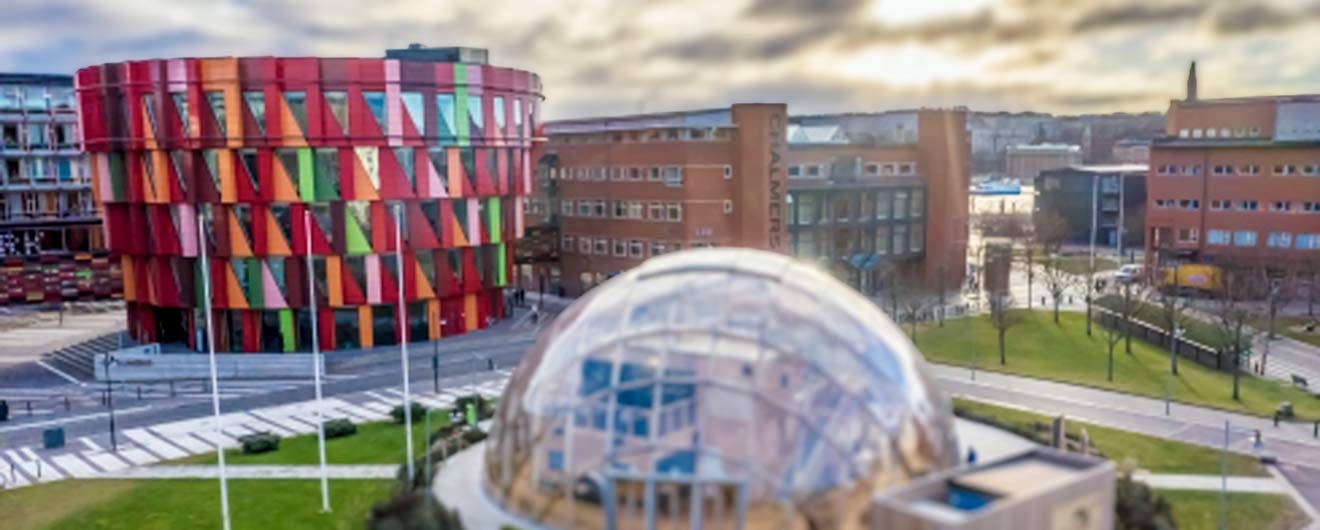
The March 28, 2020 conference in Gothenburg was designed to build on the success of 2019. University of Gothenburg and Chalmers University of Technology planned to host over 500 people. They wanted to expand the focus beyond health to cover all parts of sustainable development.
The Three-Pillar Framework
Theme 1: Tools, Resources & Concrete Measures
This theme looked at practical questions: How do you actually put SDGs into school programs? Workshops planned to cover creating programs that combine different subjects and developing tools for measuring SDG impact on university activities.
Theme 2: Future Workforce
Universities needed to understand what employers want from students who learned about sustainability. This theme focused on preparing students for sustainable jobs and building skills for tomorrow’s challenges.
Theme 3: University Partnerships & Collaboration
Learning from successful SDG networks was important. This theme planned to give practical cooperation guides and help universities avoid common mistakes when working together.
The Dream Team Speakers (That Never Was)
Planned main speakers of the Rethinking higher education 2020 conference included Arjen Wals from Wageningen University, who would have spoken on ”10 years left for deep learning transformation,” and Matilda Ernkrans, Swedish Minister for Higher Education and Research.
The 2020 conference as well planned workshops at multiple universities, virtual attendance options, and a city reception at the historic Börsen building in Gothenburg. These ideas were ahead of their time. They predicted the digital transformation that COVID-19 would soon force on all education conferences.
COVID-19 Changes Everything
Planned main speakers of the Rethinking Higher Education 2020 conference included Arjen Wals from Wageningen University, who would have spoken on “10 years left for deep learning transformation,” and Matilda Ernkrans, Swedish Minister for Higher Education and Research.
2019 Conference: The Successful Foundation
- Date: March 30, 2019
- Location: Aula Medica, Nobels väg 6, Karolinska Institutet Campus Solna
- Host: Karolinska Institutet
- Attendance: 500+ participants
- Focus: Health-cantered approach to SDG integration
The March 30, 2019 conference at Aula Medica successfully brought together over 500 people. These included students and government representatives. This attendance proved that people wanted practical approaches to SDG higher education integration.
Star-Studded Keynote Lineup
Helen Clark – Former New Zealand PM & UN Development Programme Head
Clark gave a powerful message about environmental sustainability:
“We have been mortgaging the future and we can’t go on like this. To grow now and clean up later is not a sustainable approach. This will undermine the health gains that we have made in the last century.”
Sir Michael Marmot – Global health equity expert
Marmot connected health to bigger social justice issues. He said:
“Getting rich is not the way to a better society. Health is the measure of a good society. Evidence-based policy and a spirit of social justice will take us far.”
Nine Focused Workshops
The Rethinking Higher Education 2019 conference organized workshops around important health-related sustainability topics:
- Quality of governance
- Inequity and health
- Non-communicable diseases
- Antibiotic resistance
- Pollution, climate and health
- Fostering action for societal change
- Aging populations
- Mental health for all
- Decent work and economic development
Each workshop included reading materials and expert leaders. This made sure participants came prepared for meaningful discussions.
Game-Changing Panel Discussions
Two panels talked about curriculum change and universities’ role in global challenges. These sessions produced concrete recommendations for how schools could transform their educational approaches.
The conference found several important insights. Student participation must be central to any curriculum transformation. Teachers need sustainability training from when they’re first hired. Working across different subjects isn’t optional anymore – it’s essential for dealing with connected global challenges.
The Academic Foundation: Why This Matters
Michael Marmot’s research on health equity provides the scientific foundation for the conference approach. His work shows that non-communicable diseases (NCDs) connect to 9 of the 17 SDGs. This demonstrates how health issues link to poverty, education, gender equality, and economic development.
Research shows that NCD prevention programs give strong returns on investment. They range from 3.8 to 10.2 times the initial investment, depending on the country’s income level. This economic proof helps convince university leaders and government funders that sustainability education pays off.
Climate change, health inequalities, and economic instability create urgent needs for educational transformation. Universities can’t wait for perfect solutions. They need to act now with the best available knowledge.
How NCDs Connect to Multiple SDGs
The conference approach is built on understanding complex connections. Non-communicable diseases work as an entry point because they show how health connects to:
- Poverty (SDG 1): Medical costs push families into money problems.
- Education (SDG 4): Health knowledge affects disease prevention.
- Gender Equality (SDG 5): Women face bigger NCD caregiving burdens.
- Economic Growth (SDG 8): Disease reduces workforce productivity.
- Inequality (SDG 10): NCDs affect disadvantaged populations more.
- Sustainable Cities (SDG 11): City planning affects physical activity and air quality.
Lessons Learned: From Health Focus to Holistic Integration
The conference series smartly evolved from a health focus in 2019 to broader systems approaches planned for 2020. This progression let participants understand complex connections through familiar health examples before tackling broader sustainability challenges.
High-profile international speakers drew attention to the project. Workshop formats led to practical outcomes rather than just theoretical discussions. Multi-stakeholder participation brought together students, teachers, industry representatives, and government officials for complete perspectives.
Even the best-planned sustainability projects face unexpected disruptions. The pandemic taught organizers that digital alternatives aren’t just conveniences – they’re necessary backup plans for global collaboration.
Looking Forward: The Blueprint for Change
The Swedish approach offers a framework others can copy: university group collaboration, rotation hosting systems, and progression from health to complete sustainability focus. Published conference reports provide implementation guides for other institutions.
Other countries are watching the Swedish experiment. The framework could work in any university system willing to prioritize collaboration over competition. The emphasis on practical outcomes rather than theoretical discussions makes the approach adaptable to different educational contexts.
Over 500 participants proved demand exists for practical approaches to sustainable development in school curricula. Distinguished international speakers validated the approach, and concrete outcomes came from collaborative workshops. COVID-19’s delay doesn’t diminish the long-term vision – it highlights the need for resilient educational partnership.
What Are the 17 SDGs?
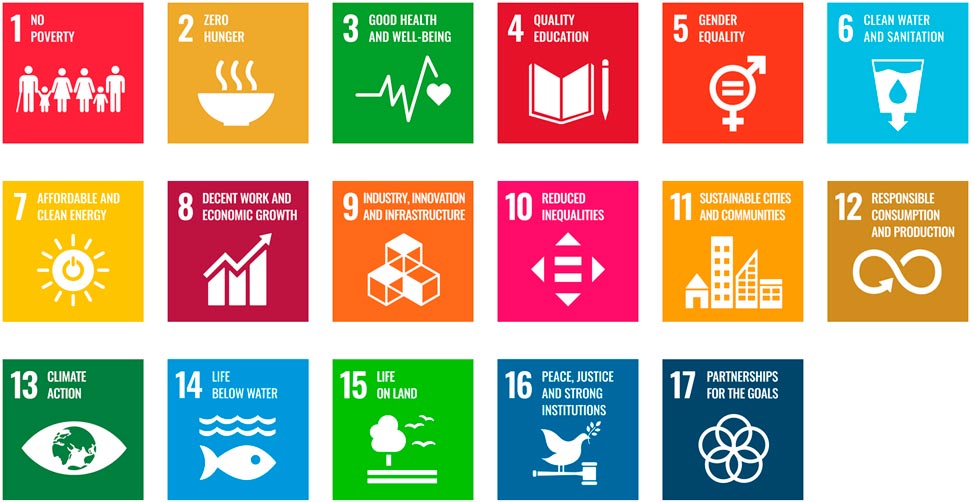
- End poverty in all its forms everywhere.
- End hunger, achieve food security and improved nutrition.
- Ensure healthy lives and promote well-being for all at all ages.
- Ensure inclusive and equitable quality education.
- Achieve gender equality and empower all women and girls.
- Ensure availability and sustainable management of water and sanitation.
- Ensure access to affordable, reliable, sustainable energy.
- Promote sustained, inclusive economic growth and decent work.
- Build resilient infrastructure and foster innovation.
- Reduce inequality within and among countries.
- Make cities and human settlements inclusive and sustainable.
- Ensure sustainable consumption and production patterns.
- Take urgent action to combat climate change.
- Conserve and sustainably use oceans and marine resources.
- Protect and restore terrestrial ecosystems.
- Promote peaceful and inclusive societies.
- Strengthen global partnerships for sustainable development.